Read-Only Ruins: Finding Meaning in the Internet's Abandoned Rooms

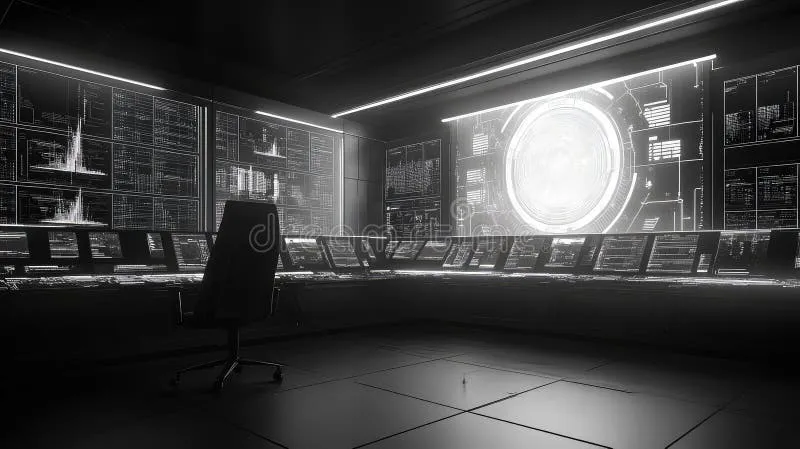
Photo: empty dark chat interface glowing screen abandoned digital space, via thumbs.dreamstime.com
The server has 847 members. The last message was posted on a Tuesday in March 2021. Someone named voidwalker_88 said "lmao okay goodnight everyone" and then, apparently, everyone went to sleep and never came back.
I've been staring at this for ten minutes. I don't know any of these people. I have no connection to the fandom that brought them together. But there's something about this frozen room — the pinned messages still up, the role assignments still active, the welcome channel still cheerfully explaining rules for a community that no longer exists — that feels genuinely moving.
I don't think I'm alone in this.
The Aesthetic of Digital Stillness
Abandoned online spaces have developed their own aesthetic vocabulary, and a growing number of people — particularly younger users who came of age during the internet's social media explosion — find them deeply compelling. Dead Discord servers. Subreddits where the last post is years old and the mod team stopped responding to modmail sometime during a previous presidential administration. Fan wikis for canceled shows, still meticulously detailed, still being maintained by automated bots that don't know the project is over.
These spaces share a quality that's hard to name precisely. They're not exactly sad. They're not exactly nostalgic, either — at least not in the conventional sense, since you don't have to have been there to feel the weight of them. They're more like ruins. Structurally intact, functionally silent, rich with the evidence of lives that were briefly and genuinely lived inside them.
Kyle Chayka, writing about internet aesthetics more broadly, has described a cultural appetite for what he calls "ambient" digital spaces — environments that feel inhabited without being active. Abandoned servers fit that description perfectly. They hum with the residue of presence.
What Digital Archaeologists Actually Do
There's a loose community of people who document these spaces deliberately, and they tend to resist the label of "archivist" in favor of something more exploratory. Digital archaeologist feels closer. The practice involves cataloging dead communities, screenshotting forum threads before they 404, preserving wiki pages that are days away from being taken down by a hosting service that stopped getting paid.
"The thing about the internet is that it presents itself as permanent," says one practitioner who runs a blog documenting defunct online communities, speaking under the handle they use publicly. "Like, it's all still there, right? But it's actually incredibly fragile. Servers go dark. Domains expire. A platform shuts down and suddenly years of collective human expression just disappears."
The Archive Team — a loose collective of volunteers who have been racing to preserve disappearing web content since around 2009 — operates on a similar urgency. Their work has saved petabytes of data from platforms that gave minimal warning before shutting down. But even they acknowledge that most of what gets lost, gets lost quietly. Not in a dramatic server shutdown, but in the slow drift of communities that simply stop.
"A Discord server dying isn't a news event," the archaeologist continues. "There's no announcement. The last person just... doesn't come back. And then the whole thing sits there, perfectly preserved, until Discord eventually deletes it for inactivity."
Why Gen Z Is Drawn to the Ruins
There's a generational dimension here worth sitting with. Millennials who grew up on early social media often approach these spaces with a specific personal nostalgia — they're looking for echoes of their own early internet experiences. But Gen Z's relationship to digital ruins feels different, and in some ways more interesting.
For a generation that has never known a world without persistent social media, the internet isn't a place you visit — it's infrastructure. It's ambient. Which means its ruins aren't curiosities from a different era. They're evidence of something that was always happening in the background: the constant, invisible churn of communities forming and dissolving.
Nostalgia researchers have noted that the emotion can be triggered by experiences you never personally had — what some call "vicarious nostalgia" or, in more clinical language, "nostalgic resonance." You don't need to have been in the server to feel something when you scroll through it. The evidence of connection is enough.
"It's like finding old letters in a house you just moved into," one 22-year-old Discord user told me, after I found them in a thread dedicated to cataloging abandoned servers. "You didn't know these people. But you can tell they mattered to each other. That's kind of everything, isn't it?"
The Fan Wiki as Accidental Monument
If Discord servers are ruins, fan wikis are something closer to temples. They represent an extraordinary investment of collective labor — hundreds or thousands of hours of writing, editing, categorizing, and debating — often in service of a piece of media that has long since ended or been forgotten by the mainstream.
The wiki for a mid-2000s MMORPG that shut down in 2014 might still be running today, maintained by automated systems and the occasional visit from a former player who can't quite bring themselves to let it go. Every character page, every item description, every carefully documented piece of lore — it's all still there, a monument to a world that technically no longer exists.
There's a word in Japanese — mono no aware — that describes the bittersweet awareness of impermanence, the beauty that comes from knowing something will end. It's usually applied to cherry blossoms or autumn leaves. But I've started thinking it applies to fan wikis, too. Their value is inseparable from their fragility.
Grief Without a Body
One thing that makes digital ruins genuinely strange is that they complicate how we think about loss. When a physical place closes — a bar you loved, a record store that shaped your taste — the loss is legible. There's a before and an after. Someone locks the door.
Online communities don't always get that closure. They just... thin out. The activity graphs slope downward over months. The regulars drift to other platforms. The mods stop logging in. And then one day the server is still technically there, but the community it housed is gone, and there was no moment when that became official.
This ambiguity is part of what makes abandoned digital spaces feel haunted. They exist in a permanent present tense — the welcome message still says "welcome," the rules channel still asks you to be kind, the pinned post from three years ago still says "exciting things coming soon." The infrastructure of community persists long after the community itself has dissolved.
The Signal in the Static
I keep coming back to that Discord server. The one with 847 members and a goodnight message from 2021.
Someone built that space because they wanted to share something they loved with other people. And for a while, it worked. The channels filled up. The roles got assigned. Someone cared enough to pin a message. And then, for whatever combination of reasons — platform drift, fandom fatigue, life getting in the way — it stopped.
But the record of it persists. Every message, every reaction, every late-night conversation about whatever brought those 847 people together — it's all still there, read-only, frozen mid-sentence.
That feels like something worth preserving. Not because those conversations were important in any grand sense. But because they were real. People were present in that space. They cared about each other, even briefly, even about something small.
The internet moves fast enough that we forget it leaves ruins. But it does. And there's something in those ruins — something quiet and strange and genuinely beautiful — that deserves more attention than it gets.