Lost in Translation: The International Shows That Vanished From Your Queue

There's a specific kind of grief that hits when you open a streaming app, search for the show everyone in a Reddit thread swore was life-changing, and find absolutely nothing. Not hidden. Not misfiled. Just gone. For fans of international television in the US, this isn't a rare experience — it's practically a ritual.
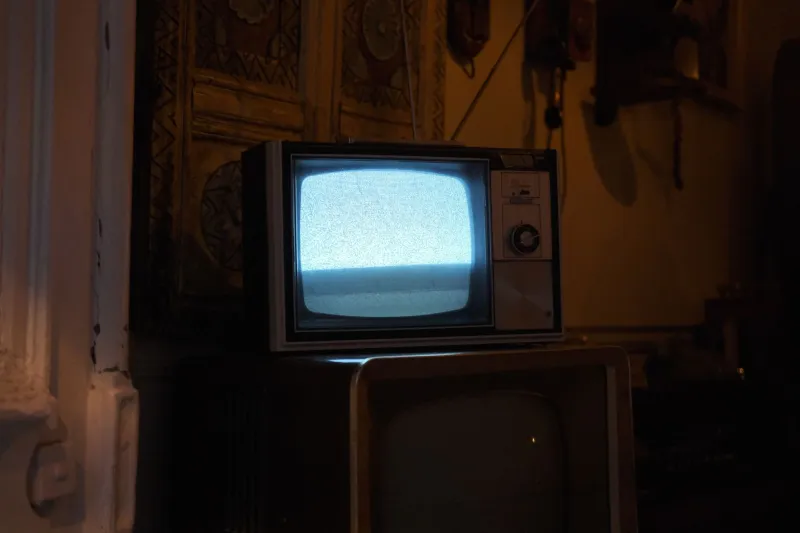
Foreign-language series have had a complicated relationship with American streaming platforms ever since Money Heist proved that subtitles weren't the audience killer everyone assumed. But for every breakout hit that gets a permanent home, dozens of equally compelling shows cycle in and out of availability like signals that briefly cut through the static before fading back into noise.
The Licensing Maze Nobody Tells You About
Here's the part the platforms don't put in their press releases: most streaming rights for international content are sold in short windows. A service might license a Korean thriller or a Scandinavian crime drama for twelve to eighteen months, just long enough to generate some buzz and justify the acquisition cost. When that window closes, the show disappears — not because anyone decided it wasn't worth keeping, but because renewing the license costs money that the algorithm decided wasn't worth spending.
Licensing deals for international content are layered in ways that domestic shows simply aren't. A single series might involve the original production company, a national broadcaster, a regional distributor, and sometimes a separate entity that holds streaming rights specifically for North America. Every one of those parties needs to agree on terms every time a renewal comes up. When negotiations stall — or when one party decides to hold out for a better deal — the show vanishes from your queue while the paperwork sits unresolved in someone's inbox.
This is why you'll sometimes find a show listed on a platform's website but unavailable to actually stream. The metadata is still there. The license isn't.
The Shows That Got Swallowed
Take Borderliner, the Norwegian thriller that briefly appeared on Netflix US around 2017 and then quietly evaporated. Or The Bridge, the original Danish-Swedish version that cycled through multiple platforms before landing in a kind of permanent limbo where it exists on some services in some regions but remains stubbornly absent from others. Spanish drama Cable Girls had a full run on Netflix, but earlier seasons have periodically disappeared and reappeared depending on whatever regional deal was active at the time.
These aren't obscure failures. These are shows with real critical pedigrees, loyal audiences, and the kind of word-of-mouth momentum that should make them easy sells for any platform. The problem isn't quality. It's geography, timing, and the grinding machinery of rights management.
Japanese anime is its own ecosystem of disappearing content, where licensing disputes between US distributors and Japanese studios can pull entire catalogs overnight. Fans who grew up watching certain series on one platform have learned to treat availability as temporary — something to be appreciated while it lasts rather than assumed.
Are They Really Gone, or Just Hiding?
This is where things get interesting. Streaming libraries are not uniform. A show that's unavailable on Netflix US might be fully accessible on Netflix Canada, Netflix UK, or Netflix Japan. The content isn't deleted from the servers — it's geo-restricted based on where your IP address says you are. This is a distinction that matters a lot to the dedicated viewer community that has grown up around international content.
VPN use for streaming has become so normalized in certain corners of the internet that it barely registers as unusual anymore. Viewers who want to watch a specific Korean series that's only licensed for streaming in Southeast Asia simply route their connection through a server in the appropriate region. It's technically against most platforms' terms of service. It's also extremely common.
Beyond VPNs, there's a whole fragmented landscape of smaller, specialized platforms that pick up international content after the major services drop it. Viki, Mubi, Topic, and Walter Presents all operate in the space where the big streamers don't bother. They're not household names, but for the audience that cares about international television, they function as a kind of secondary market — a place where shows that got evicted from Netflix find a quieter home.
The Gray Market and the Archive Underground
And then there are the darker corners. Fan-subtitled versions of shows that were never officially licensed for the US circulate through private forums and Discord servers. Full series get uploaded to YouTube channels that exist in a constant state of copyright-complaint precarity, disappearing and reappearing as uploads get flagged and re-uploaded under slightly different names. Dedicated fan communities maintain spreadsheets of where specific shows can currently be found, updated in real time as availability shifts.
This is the part that feels most distinctly like something Voidcast was built to talk about — the way passionate audiences build infrastructure around the gaps that official systems leave behind. The streaming graveyard isn't just a place where content goes to die. It's also a place where communities form around the act of preservation, treating the hunt for a disappeared show as something worth organizing around.
There's a whole category of viewer who has essentially become a professional navigator of fragmented international content availability. They know which VPN servers work best for which regions, which smaller platforms have the best catalog depth for specific countries, and which fan communities are most reliable for tracking down shows that have fallen through every official crack.
What the Platforms Could Do (But Mostly Don't)
The frustrating thing is that solutions exist. Some platforms have experimented with notifying users before content leaves their library, giving them a window to finish watching. A few have been more transparent about why specific titles aren't available in specific regions. But these feel like exceptions rather than standard practice.
A more honest approach would involve treating international content with the same long-term commitment that domestic originals receive. The business case is there — Squid Game demonstrated definitively that American audiences will watch foreign-language content if it's surfaced properly. The infrastructure for sustained international programming exists. What's missing is the institutional will to treat licensing as a long-term relationship rather than a short-term experiment.
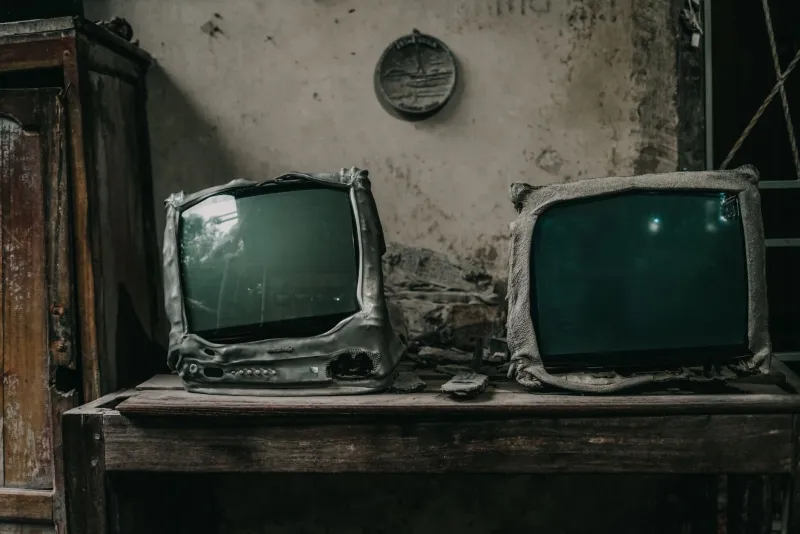
Until that changes, the graveyard keeps growing. Shows that deserved wider audiences cycle out of availability before they can find them. And somewhere in a Discord server you've never heard of, someone is updating a spreadsheet that tracks exactly where each of them went.
The signal is still out there. You just have to know how to tune in.